
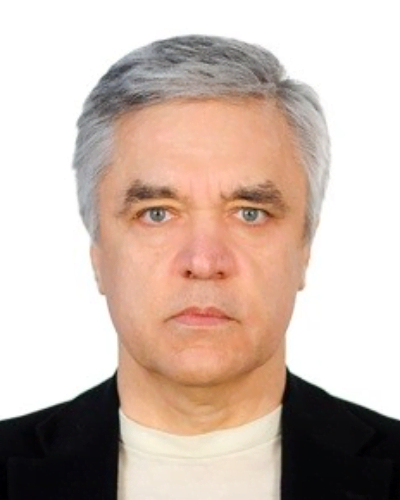
Vice-Director
N.D. Zelinskii Institute for Organic Chemistry of the Russian Academy of Sciences, Russian Federation
Abstract:
Policy formation in the field of individual health promotion and protection is one of the pri-ority tasks of national healthcare systems. Canonical health care is becoming increasingly unaffordable in most of the countries, yet it remains ineffective in preventing or effectively treating chronic diseases. The medicine of the XXI century is Personalized & Precision Medi-cine (PPM), by protecting and preserving human health throughout the life. PPM focuses on predictive and preventive measures that contribute to the development of individualized strategies for managing a healthy lifestyle that stabilize morbidity rates and can help to im-prove the working capacity of the population. To achieve the goals of value-based healthcare and the implementation of the PPM concept, it is necessary to combine the assets of the newest advances in basic science with clinical medicine, followed by the introduction and promotion of new generation’s translational applications. Opportunities exist at every stage of disease initiation and progression to develop a Person-alized Health Plan (PHP) addressing lifestyle, risk modification and disease management, and later, Personalized Health Management & Wellness Program (PHM&WP). So, a combi-nation of genomic and phenome-related biomarkers is becoming of great significance to be applied in PPM and need to be translated into the daily practice to predict risks of the dis-ease chronification and thus of disabling. Among strategic segments of PPM-guided services, the global goal of PPM-guided healthcare services is to develop individualized preventive, prophylactic, canonical thera-peutic and rehabilitative treatments based on a patient’s genetic profile. Next-generation diagnostics technologies and advances in molecular therapeutics are changing the way we diagnose and treat diseases, and prevent pre-illness conditions. PPM is rooted in the belief that since individuals possess nuanced and unique characteristics at the molecular, physio-logical, environmental exposure and behavioral levels, they may need to have interventions provided to them for diseases they possess that are tailored to these nuanced and unique characteristics. The goal of PPM-based surgical practice is to deliver individually tailored surgical and post-surgical solutions designed by a transdisciplinary team of surgeons, practitioners and bioen-gineers who understand upgraded clinical challenges, and who are enable safer, more effi-cient procedures that improve outcomes for every patient. Data-driven surgical navigation systems playing a pivotal role in the technological advancement of multi-faceted surgical practice are open to revolutionize surgical precision and elevate patient care standards, providing surgeons with the resources and tools to analyze each patient’s distinct anatomy and medical history in detail and to reduce surgical risks, ultimately leading to better surgi-cal outcomes. PPM-guided integration into the surgical suite, surgical navigation systems are playing a central role in shaping the future of surgery by delivering enhanced patient safety, surgeon efficiency, and accurate postoperative reporting. Surgery is customized for individual needs through PPM-guided treatment plans, customized care pathways, and precision sur-gery techniques, integrating personalized recovery strategies and nutrition, precision surgery techniques, lifestyle and support. The goal of personalized nutrition and precision foodomics is the design of customized nu-tritional recommendations to prevent or to treat metabolic or post-operational disorders. Those strategies should include nutriogenomics information, dietary and physical activity patterns, metabolome, and microbiota. Various genes and polymorphisms have been defined as relevant factors to explain diet-specific metabolic responses. PPM-based nutrition has the huge potential to maintain health as a result of a rigorous nutrigenomic analysis whilst con-sidering the genetic makeup of an individual. There is thus a need for the identification of novel nutritional biomarkers that link nutrition with health and will lead to further under-standing the role of food in health and disease. The main goal of post-surgical personalized rehabilitation and recovery (PS-PRR) is post-operative management and treatment. Therefore, coordination of all healthcare stakehold-ers has become more important than ever to unite surgeons, pathologists, physicians and payers to develop products, services, and coverage policies that would improve patient out-comes and lower overall healthcare costs for institutions that put personalized regimens in place. This is the reason for developing global scientific, clinical, social, and educational pro-jects in the area of PPM, PPM-guided surgery practice and PS-PRR to elicit the content of the new branch and to stress the impact and benefits of the latter. PPM has drastically changed and is keeping on changing the landscape of healthcare. In real-ity, PPM is the new revolution in medicine, which is dramatically modifying the traditional paradigm in medicine with huge consequences for healthcare systems. Therefore, putting PPM-tools in a public health perspective requires an apprehension of the current and future public health challenges. In this sense, all healthcare professionals of the future should be educated to deliver patient-centric care as members of interdisciplinary teams, emphasizing evidence-based practice, quality improvement approaches and bioinformatics. We are offering a new view on the management of PPM in the area of PPM-guided surgery practice and PS-PRR which, to our mind, strongly stresses the need to discuss the manage-ment of the latter on an individual basis in an interdisciplinary context, in order to offer the best possible surgical, therapeutic and rehabilitative approach. In this sense, the infrastruc-ture of a Center for Precision Surgery & Personalized Rehabilitation (CPSPR) should have, at least, four essential components: (1) genomic/molecular data acquisition and storage, (2) integration of genomic diagnostic testing and targeted imaging, (3) research focused on functional genomic targets, (4) development and informed use of targeted therapies of ac-tionable genes. And, no doubt, next generations will speak about the XXI century as a time, when medicine became preventive and personalized, and its outcomes – predictive and guarantied.
Biography:
Sergey Suchkov was born in the City of Astrakhan, Russia, in a family of dynasty medical doctors. In 1980, graduated from Astrakhan State Medical University and was awarded with MD. In 1985, Suchkov maintained his PhD as a PhD student of Sechenov University and Institute of Medical En-zymology. In 2001, Suchkov maintained his Doctor Degree at the National Institute of Immunology, Russia. From 1989 through 1995, a Head of the Lab of Clinical Immunology, Helmholtz Eye Re-search Institute in Moscow. From 1995 through 2004 - a Chair of the Dept for Clinical Immunology, Moscow Clinical Research Institute (MONIKI). In 1993-1996. At present, Dr Sergey Suchkov, MD, PhD, is: Vice-Director for Research and Development of the National Center for Human Photosynthesis, Aguascalientes, México. Member of the New York Academy of Sciences, USA; Russian Academy of Natural Sciences, Russia; American Chemical Society (ACS), USA; American Heart Association (AHA), USA; Euro-pean Association for Medical Education (AMEE), Dundee, UK; EPMA (European Association for Predictive, Preventive and Personalized Medicine), Brussels, EU; ARVO (American Association for Research in Vision and Ophthalmology); ISER (International Society for Eye Research); Personalized Medicine Coalition (PMC), Washington, DC, USA.
Copyright 2024 Mathews International LLC All Rights Reserved
